
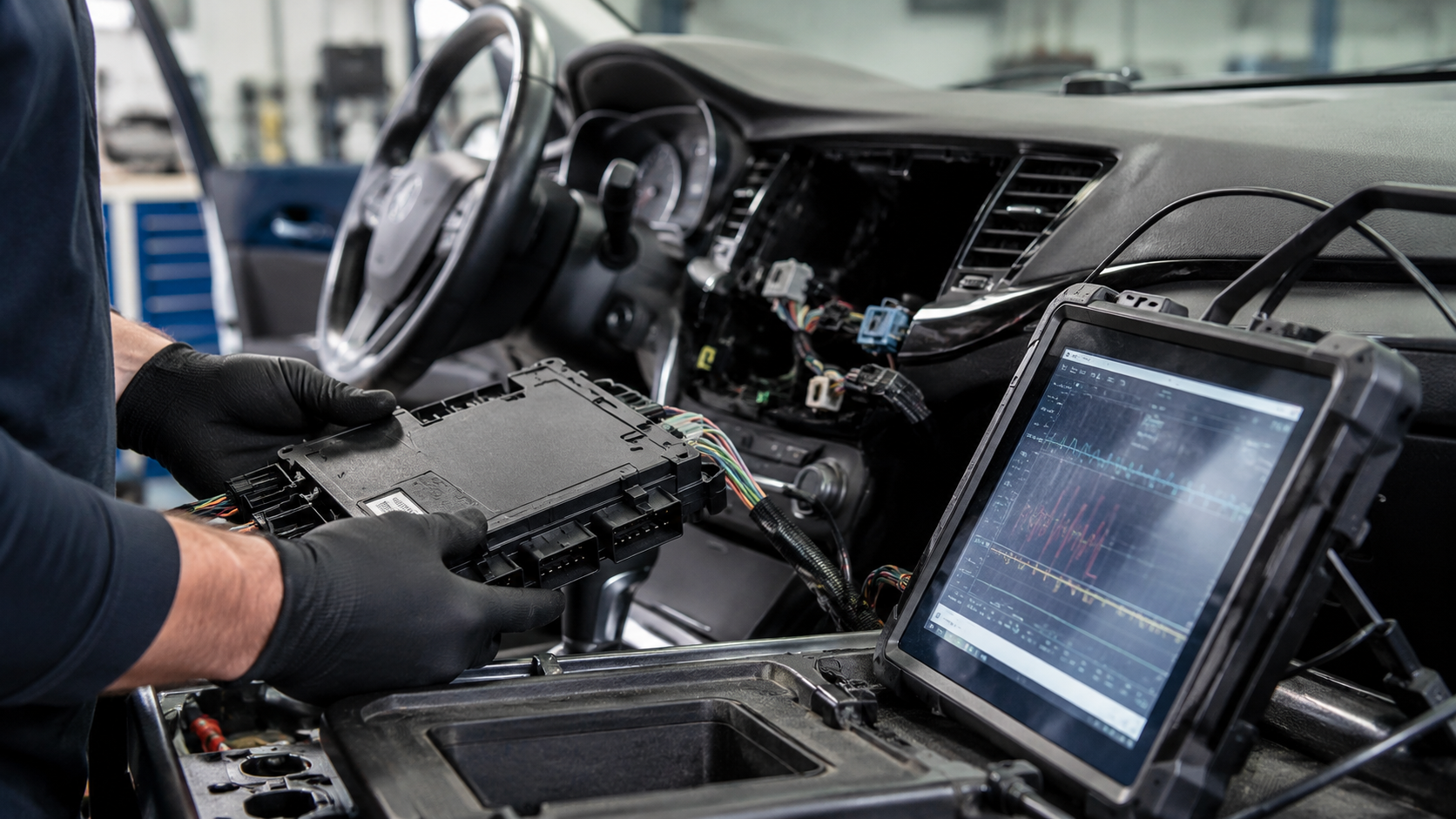
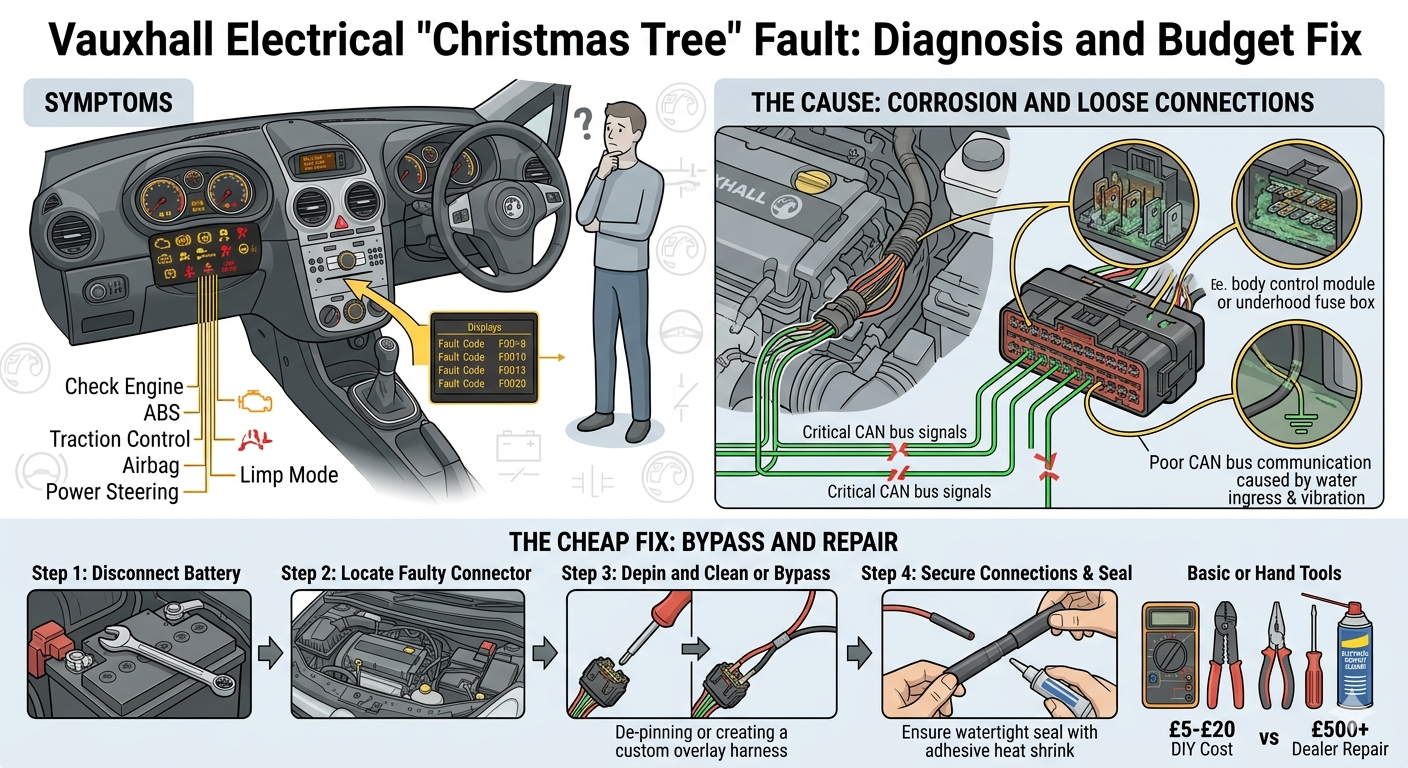
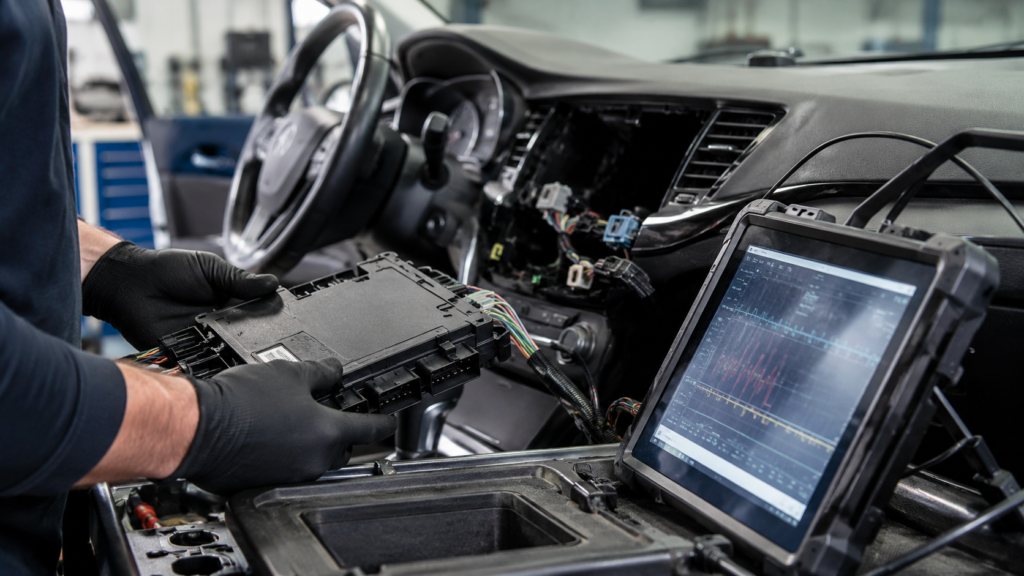
Modern Vauxhall vehicles rely heavily on electronic control systems to manage everything from lighting and central locking to immobiliser functions and power windows. One of the most important components responsible for these functions is the Body Control Module (BCM).
When a BCM develops a fault, it can cause a range of confusing electrical problems that are often misdiagnosed. Understanding the warning signs can help Vauxhall owners identify the issue early and avoid unnecessary repair costs.
What Is a BCM?
The Body Control Module acts as the central hub for many of your vehicle’s electrical systems. It communicates with multiple modules throughout the car and controls functions such as:
- Central locking
- Electric windows
- Interior and exterior lighting
- Indicators
- Windscreen wipers
- Alarm systems
- Immobiliser functions
- Keyless entry systems
In many Vauxhall models, including the Astra, Corsa, Insignia, Zafira, and Mokka, the BCM plays a critical role in daily vehicle operation.
Common Signs of BCM Failure in Vauxhall Vehicles
A faulty BCM can create symptoms that appear unrelated, making diagnosis difficult without specialist testing.
Central Locking Stops Working
One of the most common symptoms is doors failing to lock or unlock correctly. In some cases, the system may operate intermittently before failing completely.
Electrical Components Behaving Erratically
Owners often report issues such as:
- Windows working occasionally
- Lights flickering or remaining on
- Wipers activating unexpectedly
- Dashboard warnings appearing without cause
Because the BCM controls multiple circuits, a single fault can affect several systems at once.
Battery Drain Problems
A malfunctioning BCM may fail to shut down electrical circuits when the vehicle is parked. This can result in repeated flat batteries and unexplained power loss.
Starting and Immobiliser Issues
If communication between the BCM and immobiliser system is interrupted, the vehicle may refuse to start or display security-related warning messages.
Indicator and Lighting Faults
Problems with indicators, brake lights, daytime running lights, or headlights can often be traced back to BCM communication or circuit faults.
What Causes BCM Failure?
Several factors can contribute to BCM problems in Vauxhall vehicles.
Water Damage
Water ingress remains one of the leading causes of BCM failure. Leaks from heater matrix systems, blocked drainage channels, or damaged seals can allow moisture to reach sensitive electronic components.
Electrical Surges
Voltage spikes caused by jump-starting, battery issues, or charging system faults can damage internal BCM circuits.
Age and Component Wear
Over time, electronic components naturally degrade. Solder joints, capacitors, and integrated circuits can fail after years of use.
Corrosion
Even small amounts of moisture can lead to corrosion on circuit boards, eventually causing communication errors and system failures.
Repair vs Replacement: Which Is Better?
Many dealerships recommend replacing the BCM entirely. However, this can be expensive due to the cost of the module, programming, coding, and installation.
Professional BCM repair offers several advantages:
- Lower repair costs
- Faster turnaround times
- Retention of original vehicle data
- Reduced programming requirements
- Environmentally friendly solution
In many cases, specialist technicians can repair damaged circuitry and restore full functionality without requiring a complete replacement.
The Importance of Specialist Diagnostics
Because BCM faults often mimic wiring or sensor issues, accurate diagnosis is essential. Specialist testing equipment can identify communication failures, internal faults, and power supply issues that generic fault code readers may miss.
Replacing parts without proper diagnosis can quickly become expensive and may not resolve the underlying problem.
Protecting Your Vauxhall’s Electronics
To reduce the risk of BCM failure:
- Investigate water leaks immediately
- Maintain a healthy battery and charging system
- Address electrical faults promptly
- Avoid improper jump-starting procedures
- Have warning lights professionally diagnosed
Early intervention can often prevent minor issues from developing into major module failures.
Final Thoughts
A faulty Body Control Module can affect almost every aspect of your Vauxhall’s electrical system. From central locking and lighting faults to immobiliser and starting problems, BCM issues can be frustrating and difficult to diagnose.
Fortunately, professional testing and repair services can often restore your original module quickly and cost-effectively. If you’re experiencing unexplained electrical problems, a specialist BCM inspection could save you hundreds of pounds compared to unnecessary replacements.
Getting the correct diagnosis early is the key to keeping your Vauxhall reliable, safe, and performing as it should.